
982 Total views, 4 Views today
Zero Art Project (1990–2010)
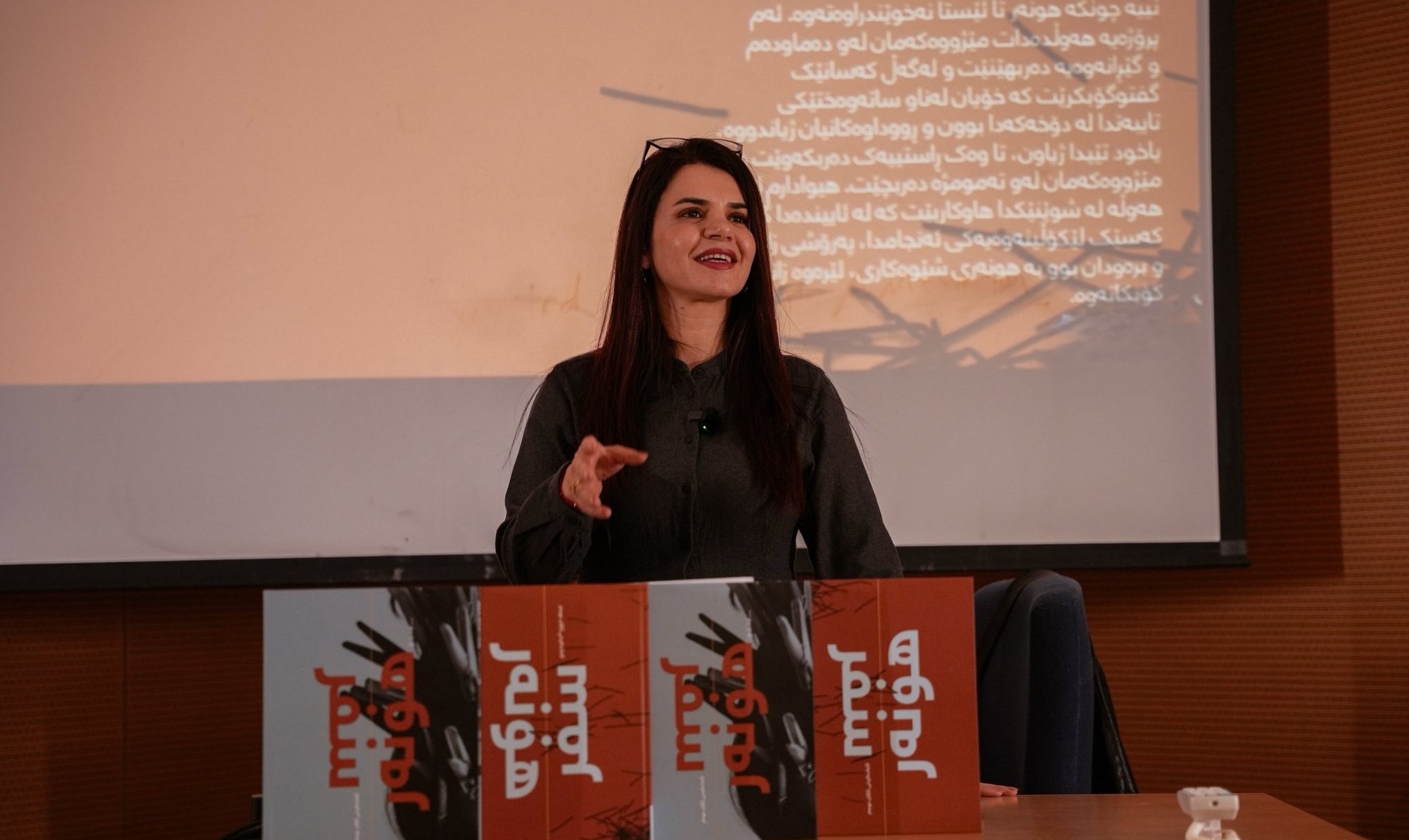
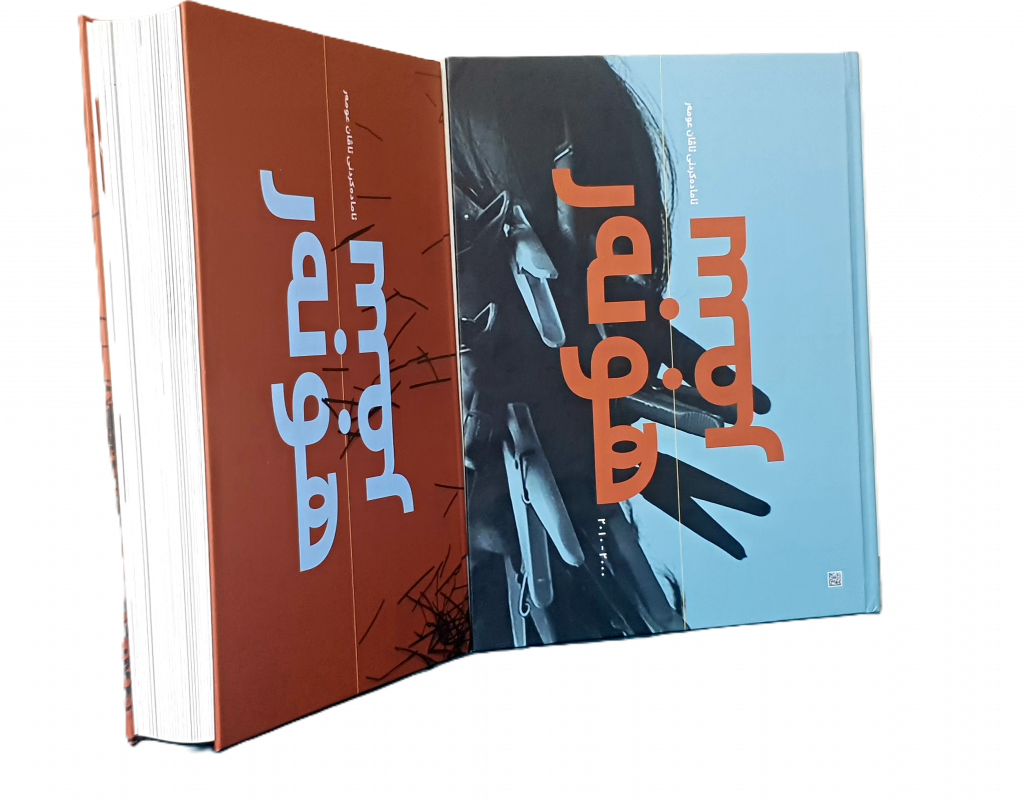
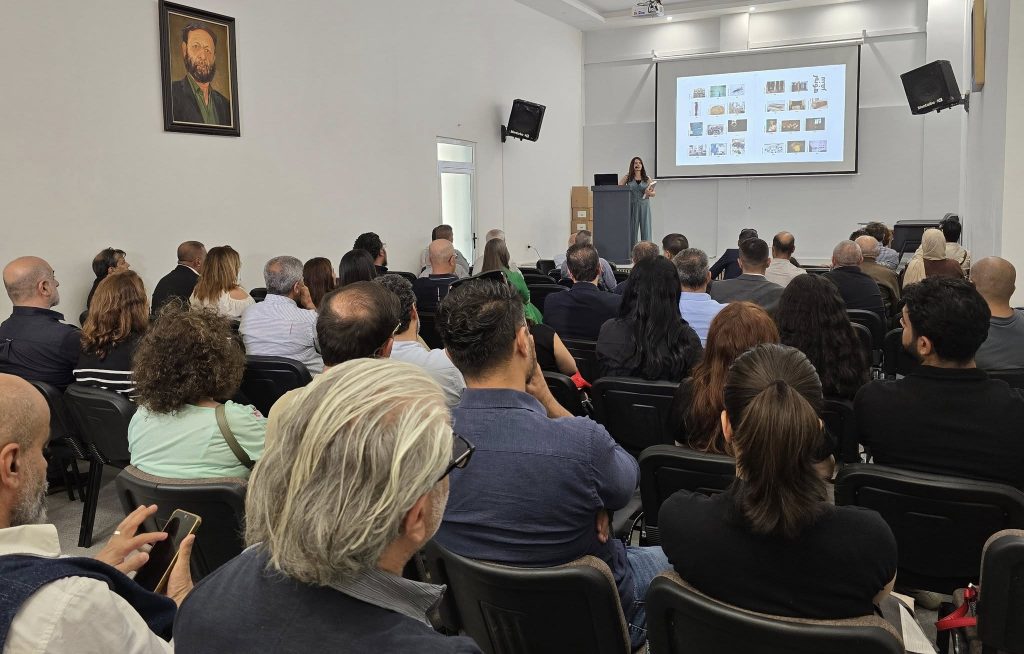
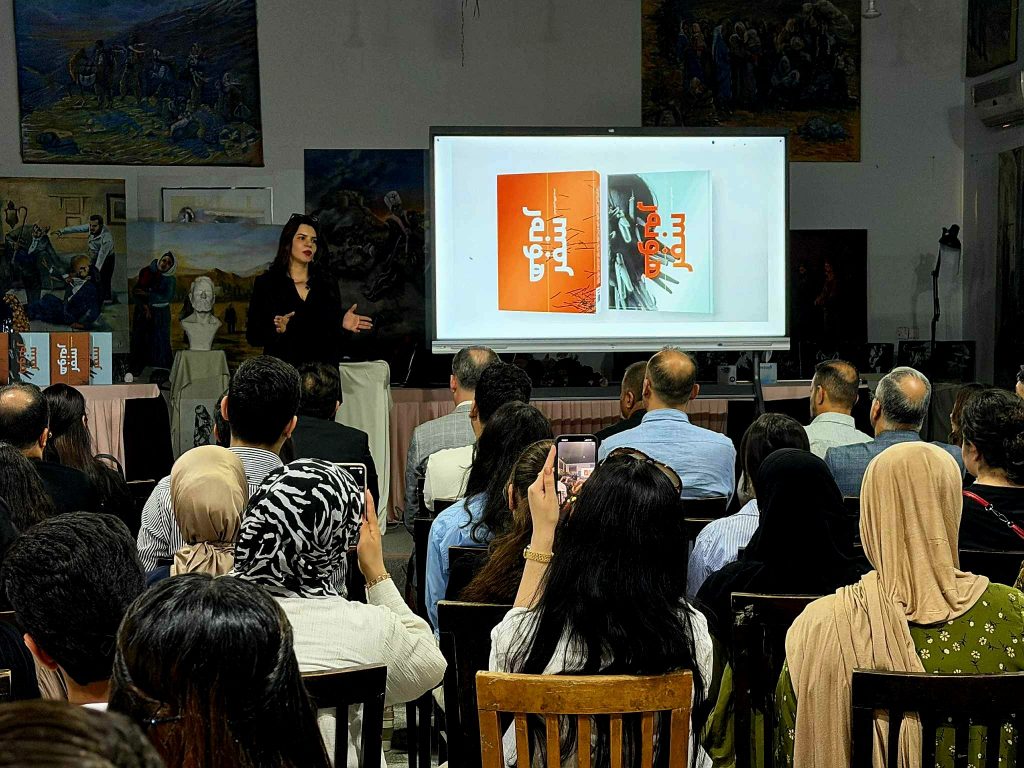
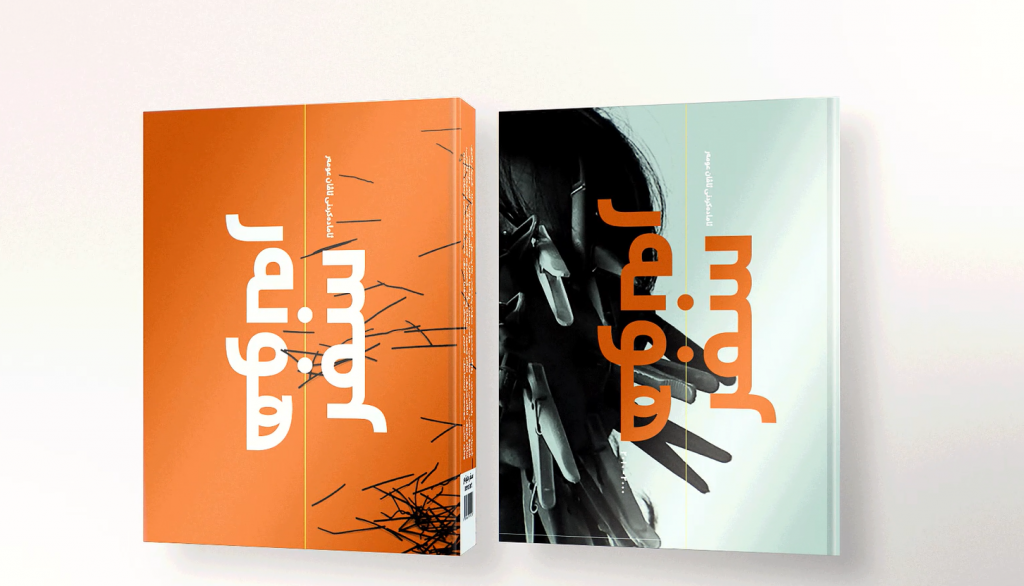
The Zero Art Project is a long-term visual and discursive initiative by artist Avan Omar that investigates artistic production in South Kurdistan during the transformative period between 1990 and 2010, initially released as a serialized program through the Podcast Project of Culture Magazine (2020–2022), with the magazine as its primary sponsor. The project later expanded into two book publications and was presented in Kurdistan in October 2025.
The project unfolds through individual and collective conversations, interviews, and the gathering of documentary and artistic materials. It studies how major political, economic, and social changes influenced culture, artistic practices, and cultural life. The two decades under study were marked by war, embargo, economic precarity, and shifting political realities, displacement, and conditions that fundamentally altered social structures, institutional frameworks, and everyday rhythms in the region. These transformations left enduring traces on artistic production, affecting not only what artists made but how, why, and under what conditions they worked.
Central to the project is the positioning of artistic practice as both the object of study and the mode of investigation. Rather than treating artists as passive witnesses to historical change, the research situates them as active agents who interpret, document, and respond to their circumstances. Through artists’ recollections and works, the project traces shifts in aesthetic forms, thematic concerns, and modes of practice shaped by instability, marginalization, and strategies of survival. In this context, artistic production is inseparable from its conditions of emergence; form, content, and historical circumstance are deeply entangled.
Operating as a research-led artistic practice and a self-archival methodology, the project brings together archives, artworks, and sustained dialogue to develop critical ways of understanding contemporary art in Kurdistan (North Iraq) during this period. Knowledge is generated through artistic practice itself, positioning the project as a counter-institutional mode of inquiry. A key focus is the recovery and circulation of works that have remained unseen, undocumented, or excluded from dominant narratives of Kurdish art history. By foregrounding these marginalized practices, the project exposes how cultural memory and historiography are shaped through omission, institutional absence, and political constraint.
At the same time, the research addresses the structural challenges faced by artists working in Kurdistan. Through long-term conversations, it examines limited infrastructure, a lack of institutional support, and the pressures arising from political and economic instability. These discussions reveal how artists negotiated constraints while continuing to produce work deeply engaged with memory, war, loss, colour, and lived experience. Importantly, the project situates these local conditions within a broader global context, opening space for critical reflection on Kurdistan’s historical position and on how Kurdish artistic production is perceived internationally.
By foregrounding both individual and collective experiences, the project explores art as a site of reflection, survival, and knowledge production under conditions of precarity. The disruptions of the 1990–2010 period reshaped social relations, cultural institutions, and creative strategies. In response, the project brings together a diverse body of conceptual artworks, performances, installations, and documentary materials produced during and after these decades. Through interviews, group discussions, and extensive archival research, it investigates how historical and political realities inform not only the content of artworks but also their formal decisions and ethical orientations.
Methodologically, the project intervenes in conventional modes of documentation and historiography. Rather than relying exclusively on institutional records or official narratives, it treats artistic practice as evidence and as a mode of knowledge production. Performance, installation, and other creative forms are approached not merely as aesthetic outputs, but as epistemic tools capable of articulating histories and experiences that remain absent from written or bureaucratic archives. This challenges dominant academic paradigms by asserting the value of embodied, affective, and relational forms of knowledge.
In this sense, art functions simultaneously as an archive and a method. The project demonstrates how creative practices can preserve marginalized histories while also generating new analytical frameworks for understanding social and cultural life. By situating Kurdish artistic production within broader debates on memory, historiography, and decolonial knowledge, it contributes to ongoing discussions about whose histories are recorded, how they are narrated, and through which media they circulate.
Ultimately, the Zero Art Project shows how art can operate as documentation, critique, and self-reflection at once. By preserving cultural memory, amplifying underrepresented voices, and foregrounding artists’ lived experiences, it positions Kurdish art within critical global conversations on history, epistemology, and contemporary practice. Under conditions of instability and marginalization, artistic practice emerges not only as a mode of expression but as a vital means of survival, resistance, and sense-making, engaging the past while opening pathways toward alternative futures.